Blockchain is no longer an experimental technology reserved for crypto enthusiasts. From fintech and supply chains to gaming and healthcare, startups are using blockchain to build transparent, secure, and scalable digital products.
But building on blockchain is not the same as building a traditional SaaS product. It requires deep knowledge of decentralized architecture, tokenomics, smart contracts, and security best practices.
How Blockchain Development Companies Help Startups Scale Products
That’s where blockchain development companies step in.
In this comprehensive guide, we’ll explore how blockchain development companies help startups scale products, reduce risk, accelerate go-to-market, and build long-term competitive advantages.
Why Startups Choose Blockchain in the First Place
Before diving into development partners, it’s important to understand why startups adopt blockchain:
Trustless transactions
Transparency and immutability
Decentralized ownership
Tokenized economies
Global accessibility
Reduced intermediaries
Whether building a DeFi platform, NFT marketplace, supply chain tracker, or Web3 SaaS product, blockchain provides infrastructure that traditional systems cannot.
However, scaling these products introduces complex technical and regulatory challenges.
The Scaling Challenges Startups Face in Blockchain
Startups often encounter several barriers:
Technical Complexity: Building on networks like Ethereum requires understanding smart contracts, gas optimization, and layer-2 integrations.
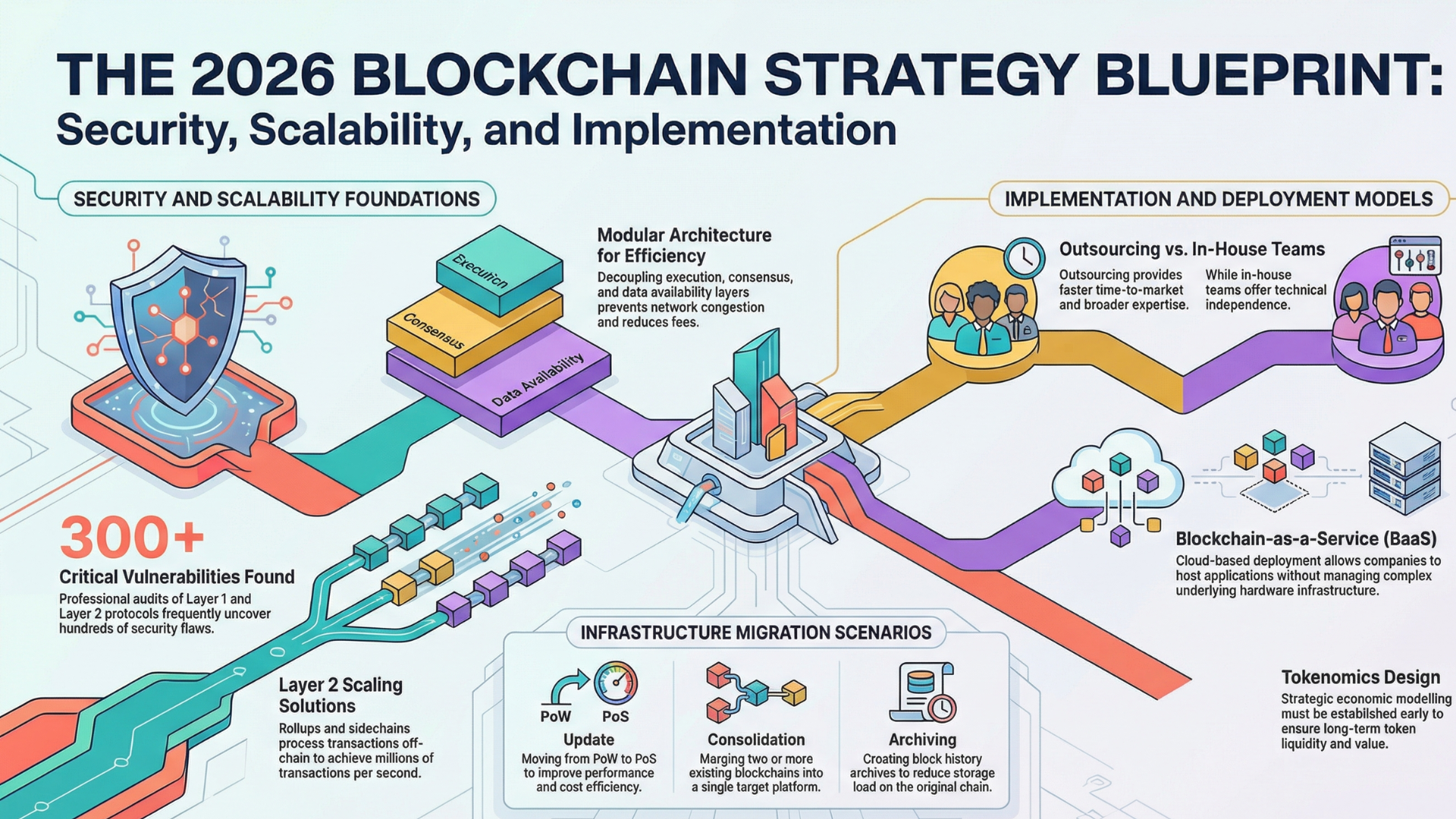
Security Risks: Smart contract vulnerabilities can result in massive financial losses. Hacks in DeFi platforms have cost millions.
Infrastructure Limitations: Public blockchains may face congestion, latency, and high transaction fees.
Regulatory Uncertainty: Token launches, crypto payments, and decentralized finance must align with evolving compliance frameworks.
Talent Shortage: Experienced blockchain engineers are limited and expensive. Blockchain development companies help startups overcome these barriers efficiently.
1. Strategic Blockchain Consulting for Product-Market Fit
Before writing code, experienced blockchain development companies evaluate:
Whether blockchain is necessary
Public vs private blockchain
Token model viability
Consensus mechanism
Governance structure
Many startups rush into launching tokens without validating utility. Development firms conduct feasibility analysis and align blockchain implementation with business goals.
For example:
Fintech startups may benefit from building on Polygon to reduce transaction costs.
High-speed transaction applications may explore Solana for scalability.
Strategic architecture decisions at an early stage directly influence scalability.
2. Custom Blockchain Architecture Design
Scalable blockchain products require:
Modular smart contracts
Upgradeable contract structures
Interoperability frameworks
Off-chain data storage systems
Layer-2 integrations
Blockchain development companies design systems that combine:
On-chain logic
Off-chain processing
Cloud infrastructure
APIs and SDKs
This hybrid model ensures startups can scale without overwhelming blockchain networks.
3. Smart Contract Development and Optimization
Smart contracts are the backbone of blockchain products. Development companies provide:
Secure coding practices
Gas optimization
Reusable contract libraries
Upgradability patterns (Proxy contracts)
Poorly written smart contracts can become costly as transaction volumes grow. Efficient contracts reduce operational expenses and enhance performance. They also conduct internal audits before deployment.
4. Security Audits and Risk Mitigation
Security is one of the biggest reasons startups partner with blockchain specialists. Services include:
Smart contract audits
Penetration testing
Threat modeling
Bug bounty programs
Multi-signature wallet setups
Well-known vulnerabilities such as reentrancy attacks and overflow errors require expert handling. A professional audit significantly reduces risk before public launch.
5. Tokenomics and Economic Model Design
Scaling a blockchain product often depends on sustainable token economics. Blockchain development companies help startups design:
Token utility models
Supply distribution
Vesting schedules
Staking mechanisms
Incentive programs
Governance models
Poor tokenomics can lead to inflation, dumping, and community distrust. Experts simulate economic behavior before launch to ensure long-term sustainability.
6. MVP Development for Faster Go-to-Market
Speed matters for startups. Blockchain development companies help build:
Minimum Viable Products (MVPs)
Smart contract prototypes
Beta decentralized apps (dApps)
By using frameworks and reusable modules, they accelerate development cycles. An MVP allows startups to:
Test user adoption
Validate token demand
Identify scaling bottlenecks
Secure early investor interest
7. Integration with Existing Systems
Most startups don’t operate purely on-chain. Blockchain development companies integrate:
Payment gateways
KYC systems
CRM platforms
Cloud databases
Analytics tools
For example, crypto payment integration may support assets like Bitcoin or USDC. Hybrid integration ensures smooth onboarding for mainstream users.
8. Layer-2 and Scalability Solutions
As user numbers grow, gas fees and network congestion become problems. Blockchain companies implement:
Rollups
Sidechains
State channels
Layer-2 bridges
Solutions built on Ethereum may integrate Optimistic or ZK rollups to increase throughput and reduce costs. These scaling solutions allow startups to handle thousands of transactions without compromising decentralization.
9. Cross-Chain Interoperability
Users operate across multiple blockchains. Blockchain development companies build:
Cross-chain bridges
Multi-chain dApps
Asset wrapping mechanisms
This allows startups to expand from one ecosystem to others without rebuilding the entire product. Interoperability expands market reach and liquidity.
10. DevOps and Infrastructure Management
Blockchain infrastructure requires:
Node management
Monitoring tools
Backup systems
Disaster recovery
Continuous integration and deployment (CI/CD)
Specialized firms manage validator nodes, RPC endpoints, and network uptime. This ensures product reliability during scaling phases.
11. Compliance and Regulatory Guidance
Scaling globally means navigating regulations. Blockchain development companies help with:
AML compliance
KYC integration
Data privacy alignment
Token classification advisory
Although they may collaborate with legal firms, technical compliance implementation is crucial for safe scaling.
12. UI/UX for Web3 Adoption
User experience can make or break blockchain products. Companies improve:
Wallet integration (e.g., MetaMask compatibility)
Transaction transparency
Gas fee explanation
Simplified onboarding
A scalable product requires frictionless interaction for non-technical users.
13. NFT Marketplace and DeFi Platform Development
Many startups scale using blockchain through:
NFT ecosystems
Decentralized finance protocols
DAO platforms
Blockchain firms provide:
Marketplace smart contracts
Liquidity pool mechanisms
Yield farming architecture
Governance voting modules
Each vertical requires specific scalability considerations.
14. Continuous Upgrades and Maintenance
Unlike traditional apps, smart contracts are immutable once deployed. Development companies design upgrade frameworks and provide:
Versioning systems
Contract migration strategies
Ongoing audits
Performance optimization
This ensures long-term scalability without full rebuilds.
15. Community and Ecosystem Development Support
Scaling a blockchain startup involves community growth. Development firms may assist with:
Token launch support
Technical documentation
Developer SDK creation
API publishing
GitHub repository management
Strong ecosystems accelerate product adoption.
Real-World Scaling Example
Consider a startup building a decentralized lending platform. Without expert guidance:
They may deploy inefficient contracts.
Gas costs could spike.
Liquidity pools may fail.
Security vulnerabilities could emerge.
With a blockchain development company:
Smart contracts are audited.
Layer-2 scaling reduces fees.
Token incentives are structured properly.
Cross-chain bridges increase liquidity.
The difference is sustainable growth versus catastrophic failure.
Benefits of Partnering with a Blockchain Development Company
Faster Development Cycles: Pre-built frameworks reduce time to market.
Reduced Technical Debt: Proper architecture prevents costly rebuilds.
Enhanced Security: Audits reduce vulnerabilities.
Scalability Planning: Infrastructure supports user growth.
Investor Confidence: Professional development increases credibility.
How to Choose the Right Blockchain Development Company
Startups should evaluate:
Portfolio and past blockchain projects
Smart contract audit experience
Multi-chain capabilities
Security certifications
Transparent pricing models
Post-launch support
Choosing the wrong partner can delay scaling and damage reputation.
Future of Blockchain Startups and Scaling
Blockchain is evolving rapidly with:
Zero-knowledge proofs
Decentralized identity
Tokenized real-world assets
AI integration with blockchain
Startups that build scalable architecture from day one will outperform competitors. Professional blockchain development companies provide the technical and strategic foundation required to compete in Web3 markets.
Read More: How to Compare Pricing Models Across Leading DevOps Platforms
Frequently Asked Questions (FAQs)
1. Why should startups hire blockchain development companies instead of in-house teams?
Answer: Blockchain expertise is specialized and scarce. Development companies provide experienced teams, security experts, and faster execution.
2. How do blockchain companies help reduce scaling costs?
Answer: They optimize smart contracts, implement layer-2 solutions, and design efficient architectures that reduce gas fees and infrastructure expenses.
3. Can blockchain development companies help with token launches?
Answer: Yes, they assist with tokenomics design, smart contract development, audits, and deployment strategies.
4. How long does it take to scale a blockchain product?
Answer: Timelines depend on complexity, but MVPs typically take 8–16 weeks, while full-scale platforms may require several months.
5. Do blockchain development companies provide post-launch support?
Answer: Most reputable firms offer ongoing maintenance, upgrades, and security monitoring.
Conclusion
Scaling a blockchain startup requires more than launching a token or deploying smart contracts. It demands secure architecture, performance optimization, compliance alignment, and long-term infrastructure planning.
Blockchain development companies act as strategic partners not just coders. They help startups:
Validate ideas
Build scalable systems
Secure digital assets
Optimize performance
Expand across ecosystems
Maintain compliance
In a rapidly evolving Web3 landscape, partnering with the right blockchain development company can be the difference between explosive growth and expensive failure.
For startups aiming to scale efficiently, securely, and sustainably, expert blockchain development support is no longer optional it’s essential.